Well, after I finish final edits on my book I am taking some time off and passing the advocacy torch. But I’m not writing this book to complain, I’m writing it to construct a new narrative in stroke care and hopefully some forward thinking groups with strong survivor input will build a new operating system for stroke.
Because that is what is needed.
In addition to sharing my own advocacy work and lessons learned, I hope you learn some larger lessons from my nearly 20 years in stroke survivorship and advocacy as well as over 30+ years in healthcare.
Thanks for reading Know Stroke! Subscribe for free to receive new posts and support my work.
The larger issue may be that stroke policy in America has historically been built from the top down:
Researchers
Physicians
Health systems
Insurers
Policymakers
While relatively little infrastructure exists to systematically gather information from:
Survivors
Caregivers
Stroke support organizations
Community recovery programs
That’s why I am shining a light on these groups in my book.
“Healthcare systems are exceptionally good at measuring what they pay for. The AHA/ASA’s Get with the Guidelines is just another example of that. They are far less effective at measuring what happens after payment stops. The voices of stroke support organizations may represent one of the most underutilized sources of information in stroke recovery because they continue serving survivors long after formal rehabilitation has ended. This is where current leading organizations like the American Heart and Stroke Association need to go, “into the weeds” and support those supporting real lives in the community”- David Dansereau, Closure After Stroke Book
The weeds have not been adequately studied
We have spent decades studying stroke survivors in hospitals, rehabilitation centers, and clinical trials. Perhaps the next breakthrough in stroke recovery will come from listening to the organizations that meet survivors where they actually live.
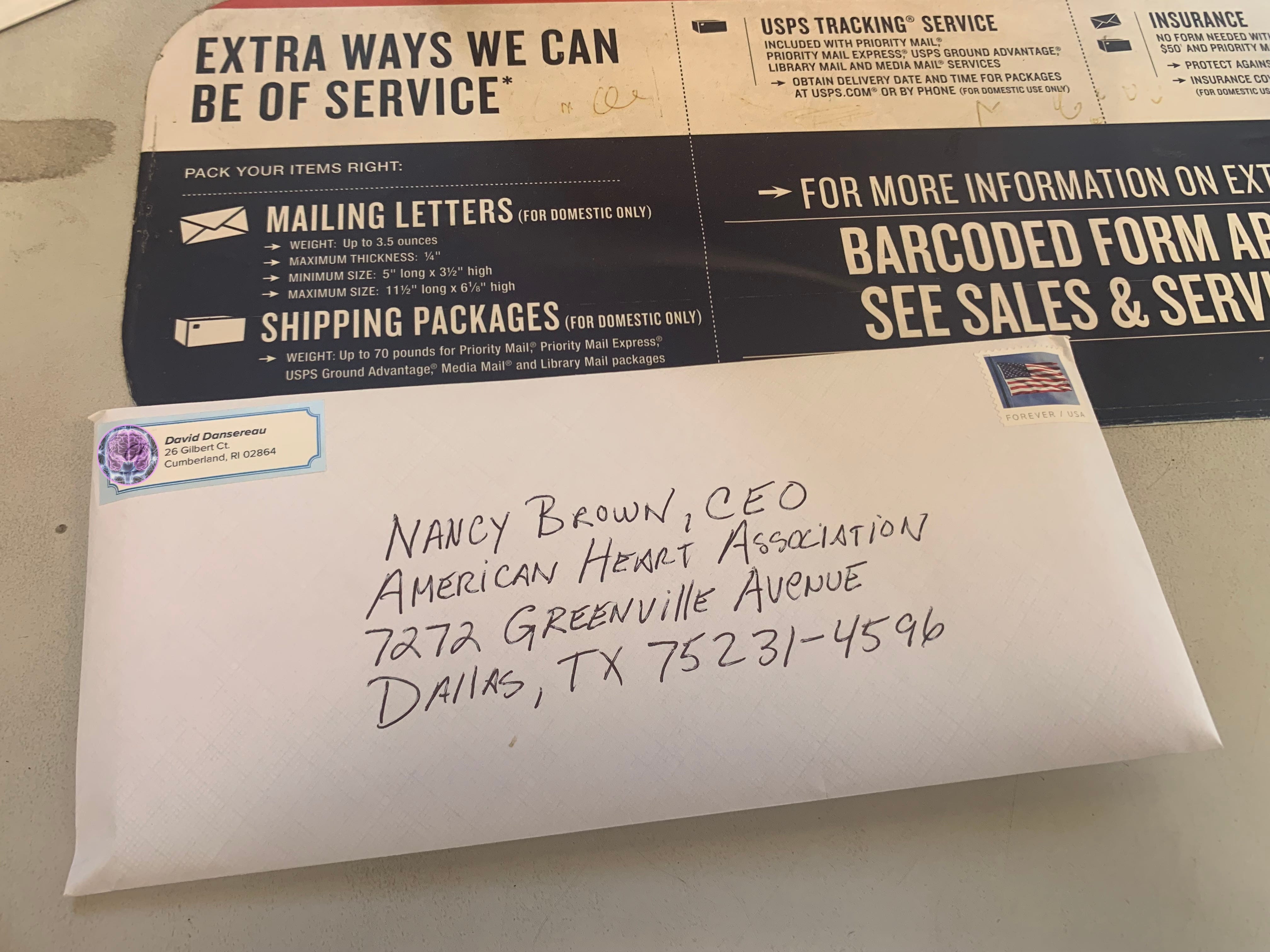
To: Nancy Brown, Chief Executive Officer, American Heart Association (AHA); Board of Directors, AHA/ American Stroke Association (ASA); and Associated Corporate Advisory Partners
My argument to the AHA/ASA and why I sent off my open letter by mail this morning is simply this. A single survivor or a handful of hand picked survivors showcased at international conferences like the annual ISC can bring invaluable lived experience.
But one survivor cannot represent:
Young stroke survivors
Older stroke survivors
Aphasia survivors
Rural survivors
Minority communities
Caregivers
Stroke support organizations
Long-term survivors 10, 20, or 30+ years post-stroke
“What do the organizations supporting thousands of survivors across the country see every day?” And the larger question, have you ever asked them??
Here are some of the comments they shared with me summarized in this article and sent to Nancy Brown as well:
This is ‘Takeaway 2’ from my report on breaking down the data from my recent stroke support organization survey. In today’s focus piece it gets a ‘bit spicy’ because you’ll hear directly from the voices of those that are doing the toughest work, the leaders that try to keep stroke support throughout the US running on shoe string budgets.
For decades, stroke policy has largely been informed by researchers, clinicians, healthcare systems, and selected advocacy organizations. Yet little information existed regarding the needs, challenges, and resource constraints faced by the nation’s community-based stroke support organizations. To better understand this gap, I conducted a national survey of stroke support organizations which I discuss in my book and the summary of these findings I have sent off to Nancy Brown, CEO of the American Heart and Stroke Association, both by email and regular mail as shown in this video. And yes, I needed extra postage.
Yes, it needed extra postage when I got to the window. You had a lot to say!
Why?
[Bottom Line] There is a problem, it needs fixing and here is what the organizations on the front lines are reporting. Now you know, if you didn’t already.
The Slinky Effect I also describe in my book, not only describes the loss of rehab and community services—it also describes the gradual loss of the survivor’s voice within the healthcare system itself.
Stay tuned, I’ll let you know what happens next…
If you want to chime in please comment here or Restack with your own views. While I appreciate all the private emails and support from sending this open letter, it is what you do with it next that matters. I am just the messenger, mailing and sharing in support of your views. Thank you!